Intelligence between now and 1996
The evolution of Business Intelligence over the last 30 years – and what it means for your organization
Over the past three decades, Business Intelligence (BI) has transformed from static, IT-controlled reporting into real-time, AI-driven decision support that is embedded across modern organizations.
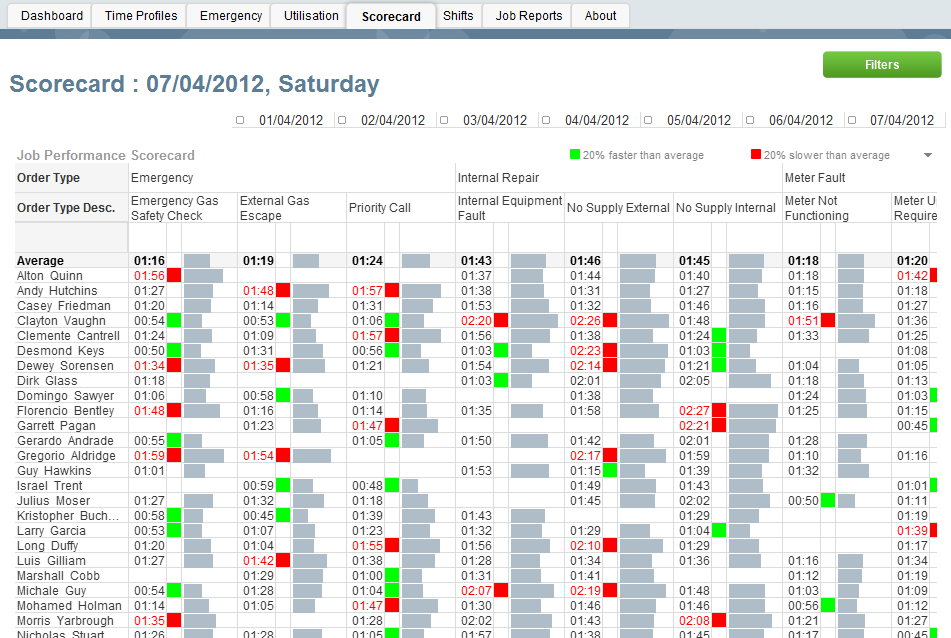
In the 1990’s, BI was heavily centralized. Data was stored in warehouses, and reporting was slow, manual, and fully dependent on IT teams. Business users had limited access to data and even less flexibility to explore it.
The **2000s** introduced more structured BI environments with OLAP and improved data warehousing. Organizations gained faster reporting capabilities and multidimensional analysis, but IT remained the gatekeeper of most data processes.
A major breakthrough came in the 2010’s with self-service BI platforms such as Qlik, Power BI, and Tableau. Business users gained direct access to data, enabling them to build dashboards, analyze trends, and make faster decisions independently. This marked the shift toward data democratization.
Today, BI is defined by cloud platforms, real-time data processing, and AI-powered analytics. Organizations increasingly rely on integrated ecosystems where data flows across systems, supported by governance frameworks, semantic models, and scalable cloud architectures.
At Infowereld.com, we have supported organizations through every stage of this evolution—from traditional on-premise BI environments to modern cloud-native analytics platforms. With deep expertise in Qlik, Microsoft, and hybrid BI architectures, we help organizations design, migrate, optimize, and manage their BI landscapes.
Our focus is simple: turning complex data environments into stable, scalable, and insight-driven platforms that truly support decision-making.
In short, BI has evolved—but so have we.
#BusinessIntelligence #DataAnalytics #Qlik #PowerBI #Cloud #DigitalTransformation #Infowereld #AWS #Quicksight #Cloudification
Related Posts

BMW 3-Series goes EV, IT goes AI

Marketing Intelligence in 2026: turning data into smarter, faster decisions, higher churn
