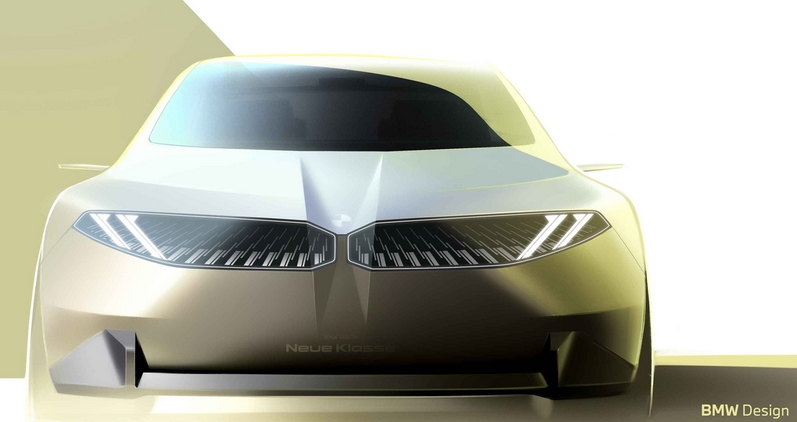
Automotive – Electrification
Vehicle Electrification in 2026: from powertrain shift to connected mobility ecosystem
In 2026, vehicle electrification is no longer just a transition from combustion engines to batteries—it has become a fully integrated transformation of mobility, energy, and digital infrastructure.
At its core, electrification replaces traditional internal combustion components with electric drivetrains. But today’s EV platforms go far beyond propulsion. Modern vehicles are software-defined systems where electrification connects power, control, and intelligence across the entire vehicle architecture.
This includes advanced electric drivetrains, high-voltage battery systems, and rapidly evolving charging ecosystems. Fast-charging networks are now widely deployed, while technologies such as ultra-fast DC charging, bidirectional charging (vehicle-to-grid), and early-stage wireless charging pilots are shaping the next phase of infrastructure development.
Electrification also extends deep into vehicle functionality. Systems that were once mechanical or hydraulic are now fully electric and software-controlled, including:
* Electric power steering
* Regenerative braking systems
* Adaptive suspension technologies
* Advanced traction and stability control
* AI-assisted driver support and safety systems
A key driver behind this shift remains efficiency and sustainability. Internal combustion engines typically convert only 17–21% of fuel energy into motion, while electric drivetrains achieve efficiencies of 85–90% or higher at system level. Combined with renewable energy integration, this significantly reduces lifecycle emissions.
Another major development in 2026 is the rise of connected EV ecosystems. Vehicles are increasingly integrated with cloud platforms, enabling real-time diagnostics, predictive maintenance, energy optimization, and continuous over-the-air software updates.
Battery technology is also advancing rapidly, with improved energy density, faster charging capabilities, and early commercialization of solid-state battery prototypes in select segments.
Ultimately, vehicle electrification in 2026 is not just about replacing engines—it is about building intelligent, efficient, and fully connected mobility systems that reshape the relationship between transport, energy, and data.
#EV #Electrification #Mobility #Sustainability #SmartMobility #CleanEnergy #FutureOfTransport #AutomotiveInnovation #BMW #Proud #BMWNeueKlasse #NeueKlasse #EnjoyDrivingBMW
Related Posts

Evolution in the BI Area

Stay WiFi Safe on your holidays